


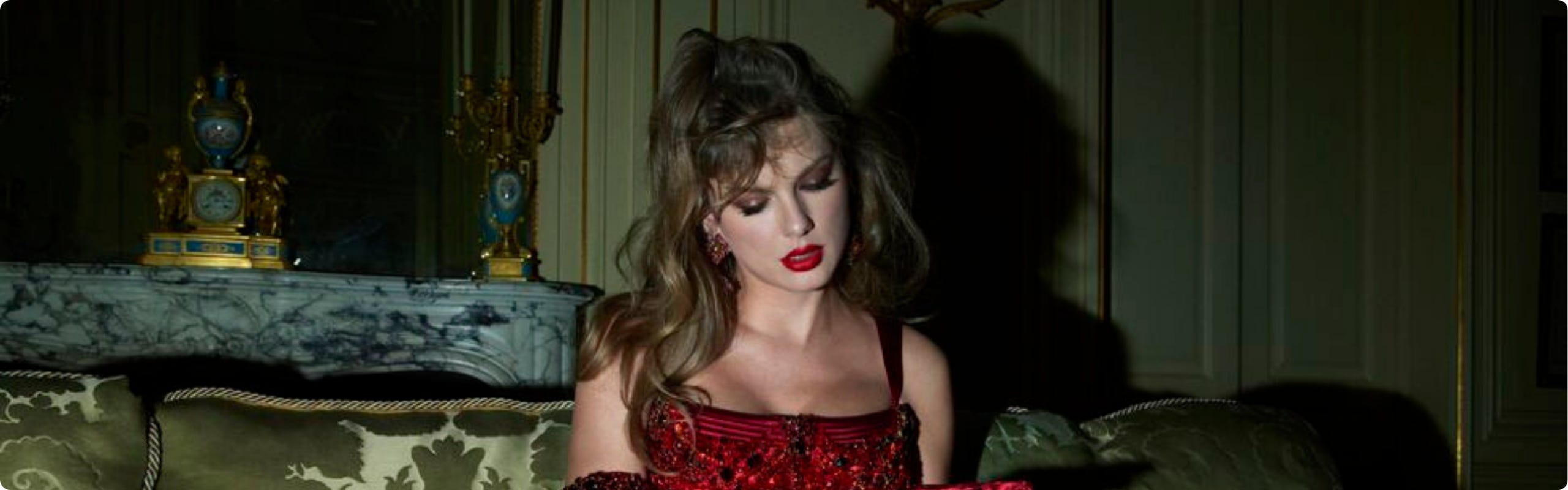
From the announcement of The Life of a Showgirl in August, I was greatly excited. While I didn’t love The Tortured Poets Department, Taylor Swift promised everything that I was looking for: catchy melodies, punchy lyricism, and hard-hitting production — a return to form from previous pop albums 1989 and reputation. My expectations were high, but Taylor put them there.
Unfortunately, the album did not deliver — unless, of course, you’re talking about the millions of physical copies in variants that each received its own countdown on Taylor Swift’s page. Normally, there would be nothing wrong with this, as each person did willingly choose to spend their money on vinyls or CDs. However, the marketing tactics behind the album’s release border on manipulative — turning anticipation into commerce in ways that felt disheartening to even loyal fans. So much hype was built around Taylor’s promise of 12 “bangers” with the lyricism of folklore and the production of her classic Max Martin hits. Yet, after hearing the album, many fans were no longer excited to receive the physical product, feeling conned.
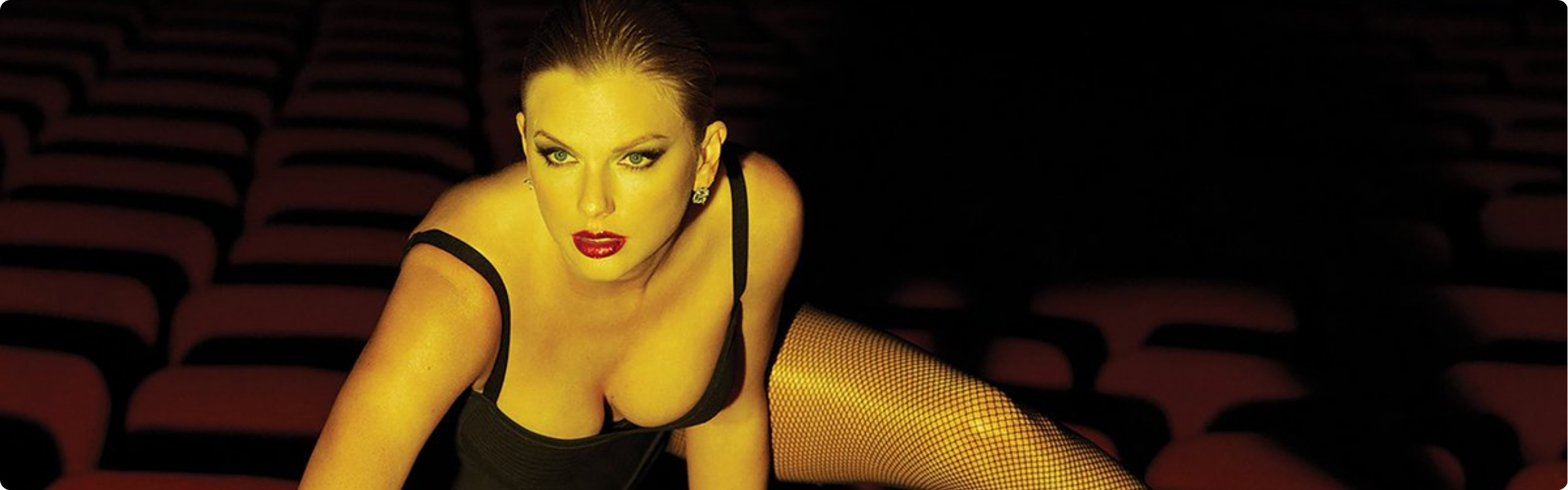
One of the biggest complaints shared among fans was how far it deviated from what seemed to be the concept of the album. In her New Heights podcast episode, Swift described the album as a “look behind the curtain” of the Eras Tour — yet, this theme is hardly mentioned on the album. More than anything, the album is a love letter to Travis Kelce — 7 out of the 12 tracks are about him. Again, there is nothing inherently wrong with that, but fans felt they had been misled.
There are also deeper, more glaring issues with the music. The lyricism is a clear regression from her past work, even from last pop record Midnights. “I’m not a bad bitch, and this isn’t savage,” she says on “Eldest Daughter,” the album’s track 5, which is usually the album’s emotional centerpiece. But the entire song feels structurally clunky and fails to resonate. There’s worse than just bad songwriting on the record though: there’s insensitivity and a great sense of being out of touch. For example, on “WI$H LI$T,” Swift claims that she doesn’t care about luxury, money, or things: “I just want you.” It’s clear, however, that this isn’t true. Taylor Swift is a billionaire. Her wealth is beyond most people’s comprehension, and her marketing tactics continue to show that she enjoys growing it. As a person in this position, it feels greatly insensitive to say this while most Americans are living paycheck to paycheck. Additionally, on “CANCELLED!” she welcomes people that have been cancelled by the media into her “underworld,” saying that it’s a “good thing [she] likes [her] friends cancelled.” This feels incredibly tone deaf in today’s climate, where many people are very justifiably cancelled for harmful behavior. To welcome them and see yourself as a safe haven for these people is very, very strange.
It’s not the only way Taylor Swift has seemed to regress when it comes to social issues. In 2020, she was taking the time to become more aware socially and fight for issues, as seen in Miss Americana. In the Netflix documentary, she says, “there’s no such thing as a bitch.” However, she uses the term to refer to other women constantly and needlessly on The Life of a Showgirl. Later in the documentary, she talks about how she wants to be able to use her platform to talk about politics and make a change in the world. But for years, she’s been virtually silent, apart from an endorsement for Joe Biden in the 2024 presidential election. Most notably, fans have been asking for her to speak up about the ongoing war in Gaza, but she’s remained silent. It speaks volumes, then, when Taylor says in an interview with BBC Radio that buying her master recordings is an issue she “actually cares about,” especially when many other pop stars have taken very clear stances in support of Palestine.
While comparing people, especially women, in the industry is often wrong, it is sometimes relevant when it comes to their actions. Again, in the case of Palestine, many pop stars have spoken up, including Dua Lipa, Billie Eilish, and Olivia Rodrigo. Rodrigo, who is very vocal when it comes to social issues, has also publicly denounced President Donald Trump twice now. During his campaign, he posted a TikTok using her song “deja vu,” and Rodrigo left a disapproving comment; soon, the sound was removed completely from TikTok. More recently, the White House administration posted a video using her song “all-american bitch,” to which she replied, “don’t ever use my songs to promote your racist, hateful propaganda.” In comparison, the White House has now posted three videos using sounds from The Life of a Showgirl, and Taylor Swift has made no comment.

In saying all of this, I am by no means intending to draw hate to Taylor Swift — I consider myself a fan, enjoy much of her music, and follow her career. However, this last era has been disappointing in many ways, and I am not alone in believing this. Criticism is essential to growth, and I hope Swift listens — not to defend her empire, but to rediscover the artistry and awareness that once made her unstoppable.